Support quality protection
Make monitored conditions visible so teams can investigate changes and take appropriate action.

FOR PRODUCERS, FOOD BUSINESSES & QUALITY TEAMS
Make temperature conditions visible from chilled storage to the next handover.
Freshness depends on the product, time and handling conditions. A temperature gap can turn a routine delivery into a quality investigation. Thermologix gives your team recorded readings, configurable notifications and reports to help identify issues and strengthen the way temperature-sensitive goods are managed.
Plan your food monitoring ↗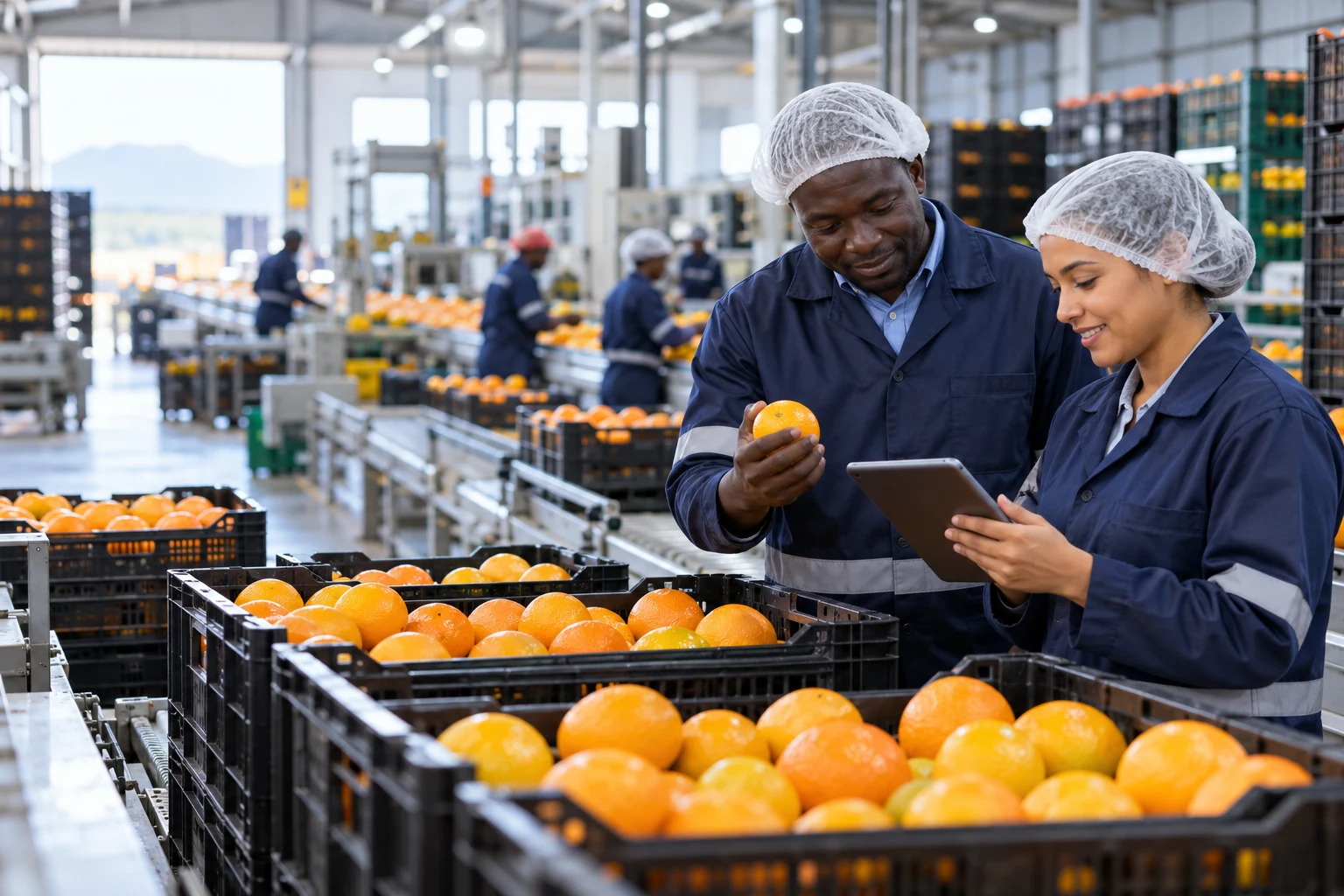
Food-quality managers · packhouse teams · cold-store operators · retailers · hospitality operations
VALUE FOR YOUR ORGANISATION
Make monitored conditions visible so teams can investigate changes and take appropriate action.
Review trends alongside door-opening, loading and equipment-maintenance records to investigate repeated excursions.
Bring relevant temperature histories into receiving checks and supplier conversations rather than relying only on recollection.
WHERE IT CAN FIT
 Illustrative industry scene
Monitor selected chilled holding areas while keeping commodity-specific requirements in view.
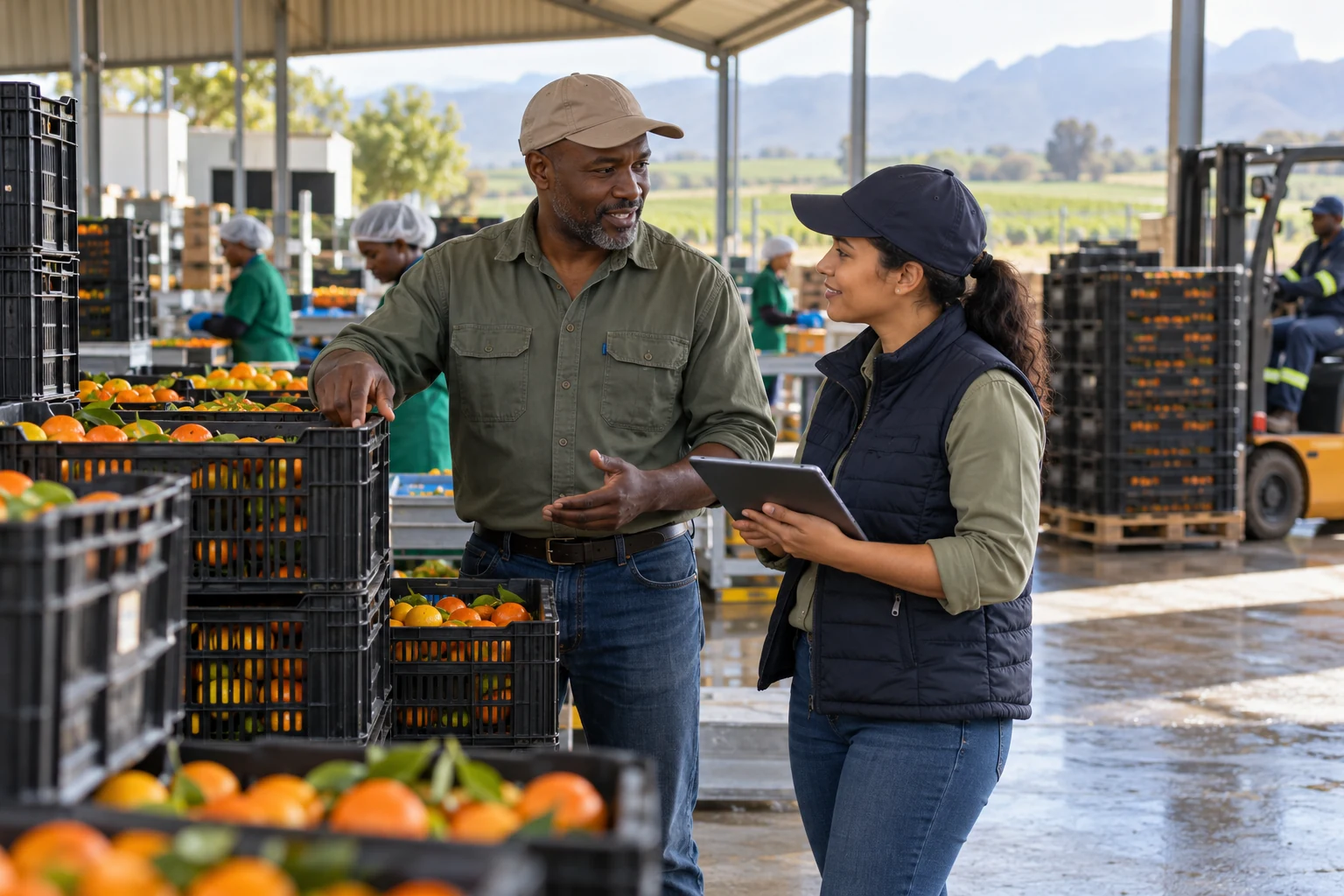
 Illustrative industry scene
Review conditions at representative points chosen for the room layout, stock and airflow.
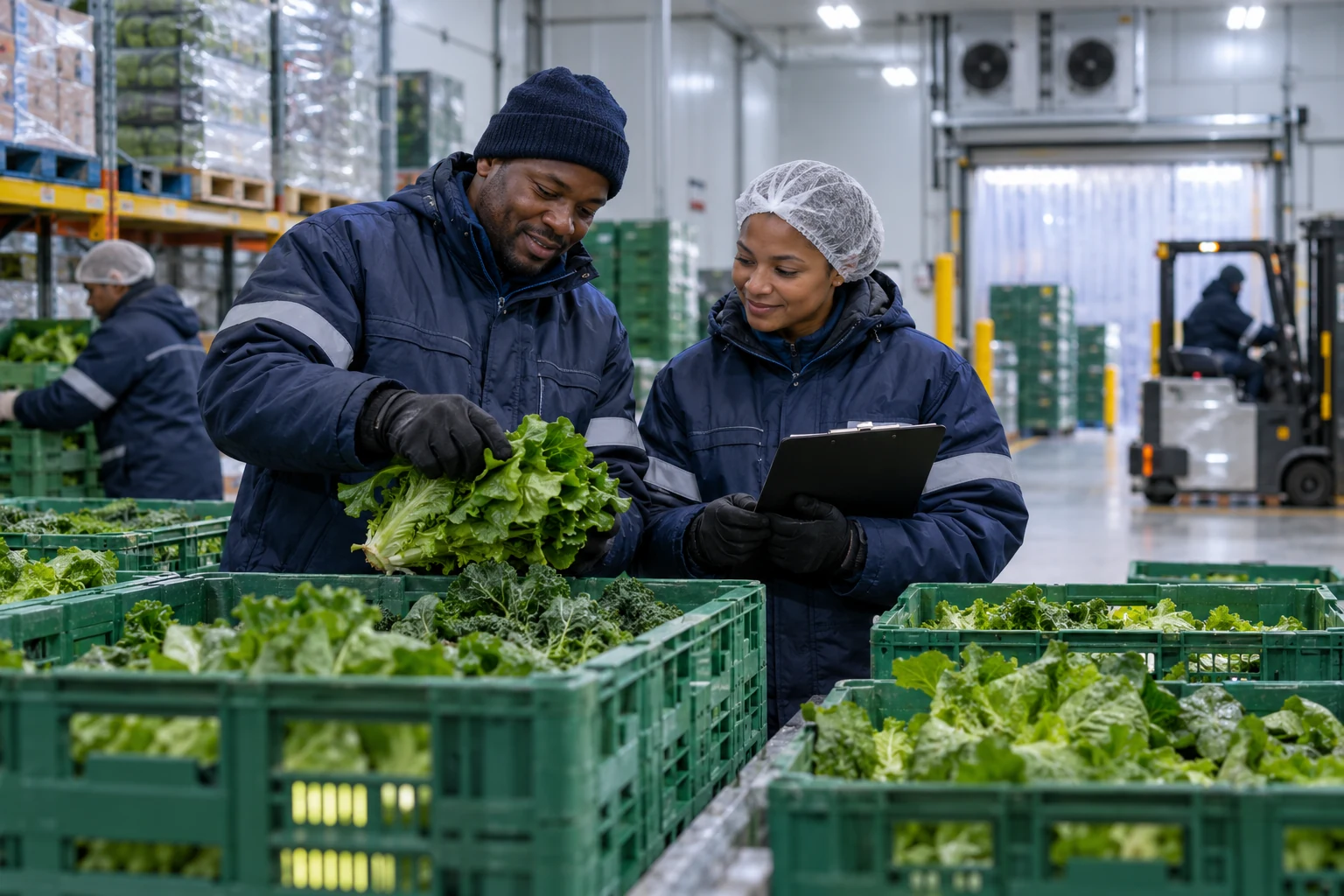
 Illustrative industry scene
Assess applications for dairy, meat, seafood and frozen products against their particular temperature and hygiene requirements.
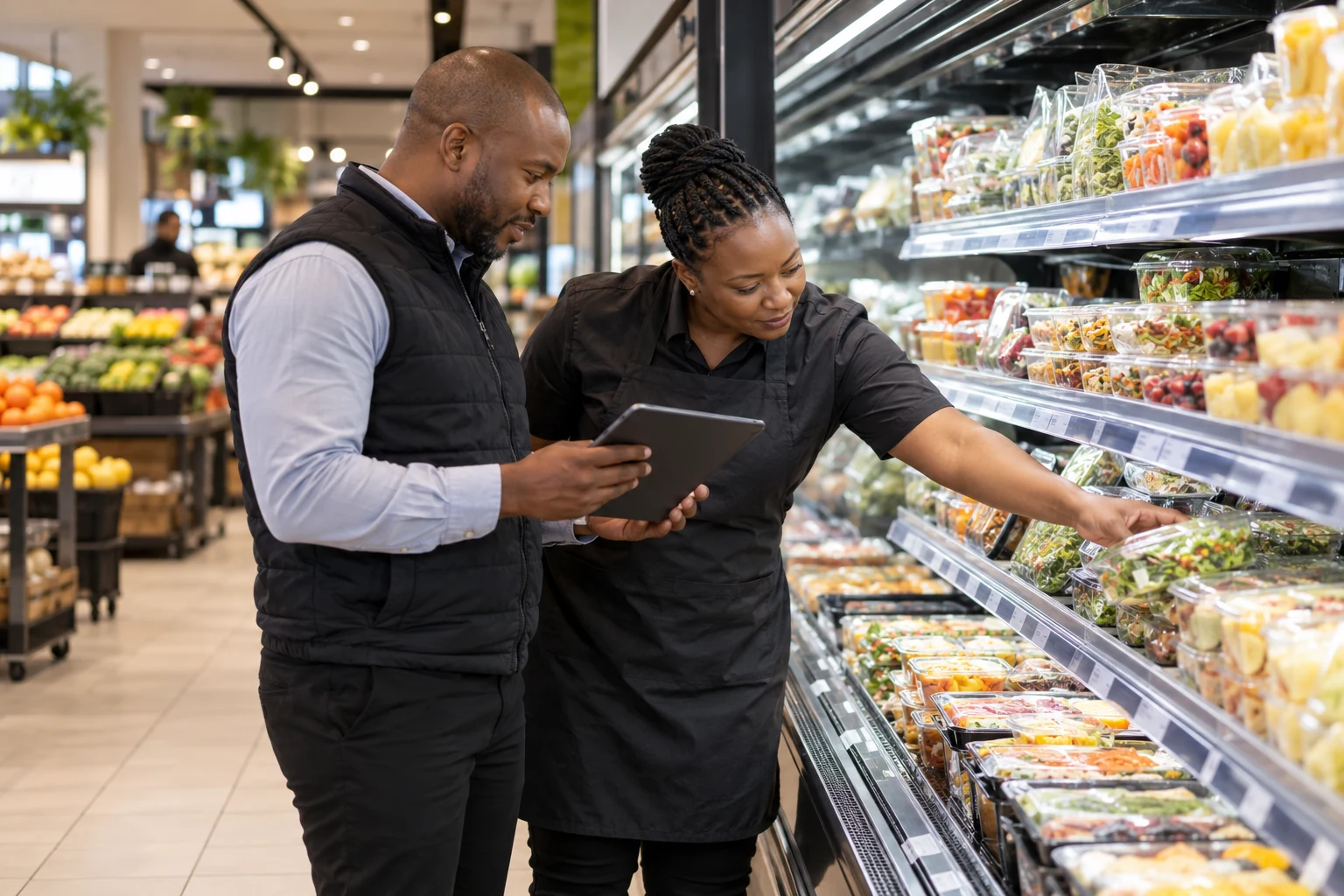 Illustrative industry scene
Give designated staff a clearer view of monitored refrigerator, freezer or storage-zone conditions.
THE RISK OFFICER’S VIEW
Monitoring works best when it is part of a clear operational process.
| Risk to consider | What the data can tell you | What your team owns |
|---|---|---|
| Loading delays or repeated door openings | Temperature changes may occur during ordinary handling. | Compare readings with handling events and review the process. |
| Incorrect placement | A tag may measure a different condition from the goods that matter. | Select placement and validate what the reading represents. |
| Mixing product requirements | Different commodities may need different storage conditions. | Set limits for the actual product and approved food-quality plan. |
| Assuming a normal reading proves safety | Temperature is one input into food-quality assessment. | Use approved food-safety procedures and authorised decisions on affected stock. |
HOW IT WORKS IN YOUR OPERATION
Attach NanoTag at an agreed monitoring position within a suitable storage or shipment application. Confirm wireless coverage and configure the relevant limits in ThermoCloud. Give operations and quality teams access appropriate to their responsibilities. Review graphs and downloaded reports together with receiving, handling and maintenance records.
Explore NanoTag & the architecture ↗Illustrative scenario: a cold-store team sees a temperature excursion during a busy loading period. They investigate whether access practices, airflow or refrigeration contributed, assess affected goods through their food-quality process and adjust the handling routine. Monitoring provides the evidence for that investigation; the team provides the response.
Process example, not a reported client case study.
PLAN THE RIGHT DEPLOYMENT
Confirm temperature range, placement, cleaning conditions and packaging suitability. NanoTag is described as water- and dirt-resistant, not waterproof or washdown-rated. A sensor reading does not automatically measure the core temperature of food or replace a required probe measurement. Humidity sensing and automated refrigeration control are not documented NanoTag features.
Independent guidance for planning. No endorsement of Thermologix or NanoTag is implied.
YOUR NEXT STEP
Tell us what you monitor. We’ll help you plan the right deployment.